
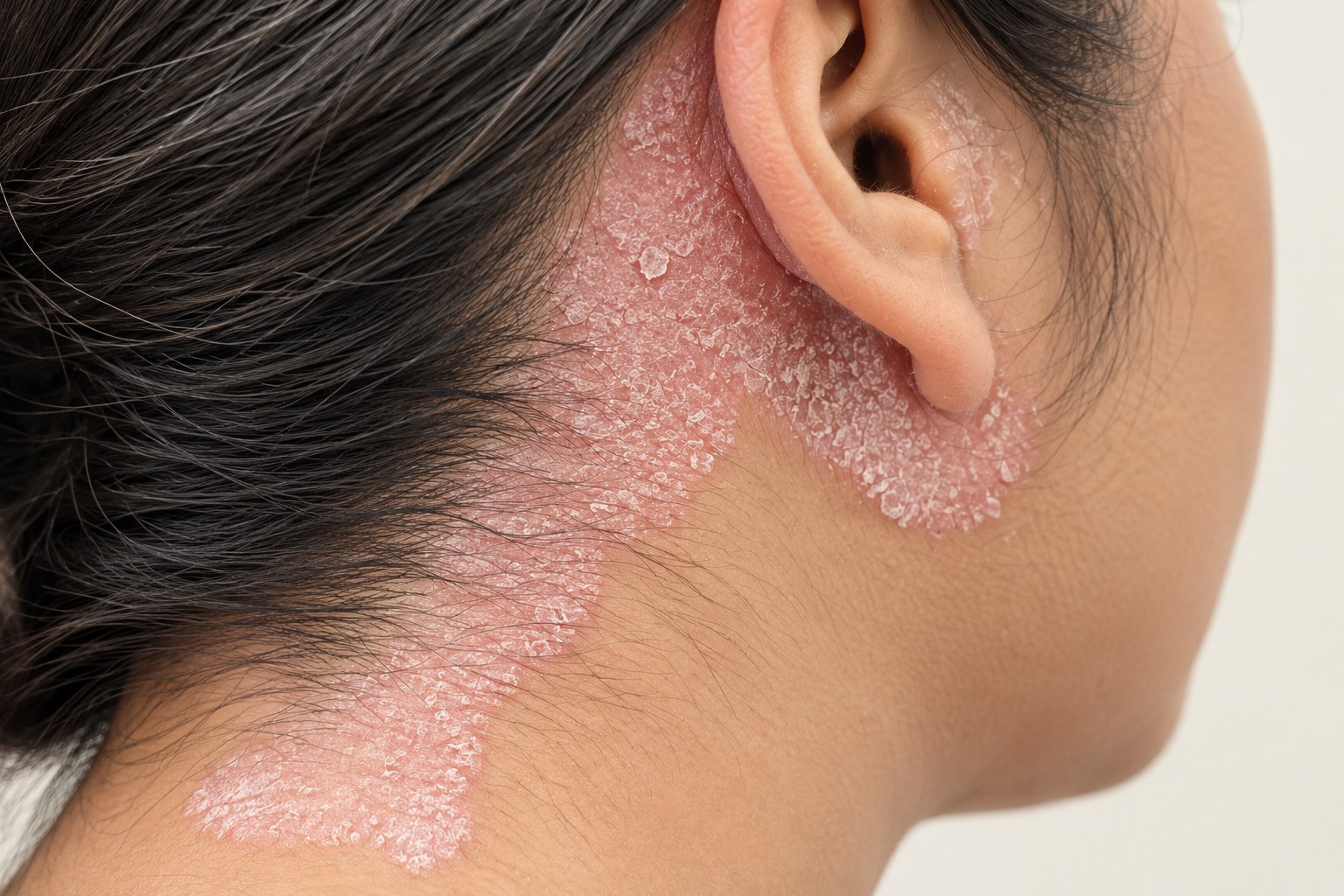
About Psoriasis
Information about psoriasis and available care.
Psoriasis is a skin condition that causes red, flaky, crusty patches of skin covered with silvery scales. These patches normally appear on your elbows, knees, scalp and lower back, but can appear anywhere on your body.
What is Psoriasis?
Psoriasis is a chronic, autoimmune disease that affects the skin. It is known medical condition where faulty immune signal that speed up the growth cycle of skin cells. Psoriasis is not contagious
Does all Psoriasis look alike?
No. There are five types of psoriasis.
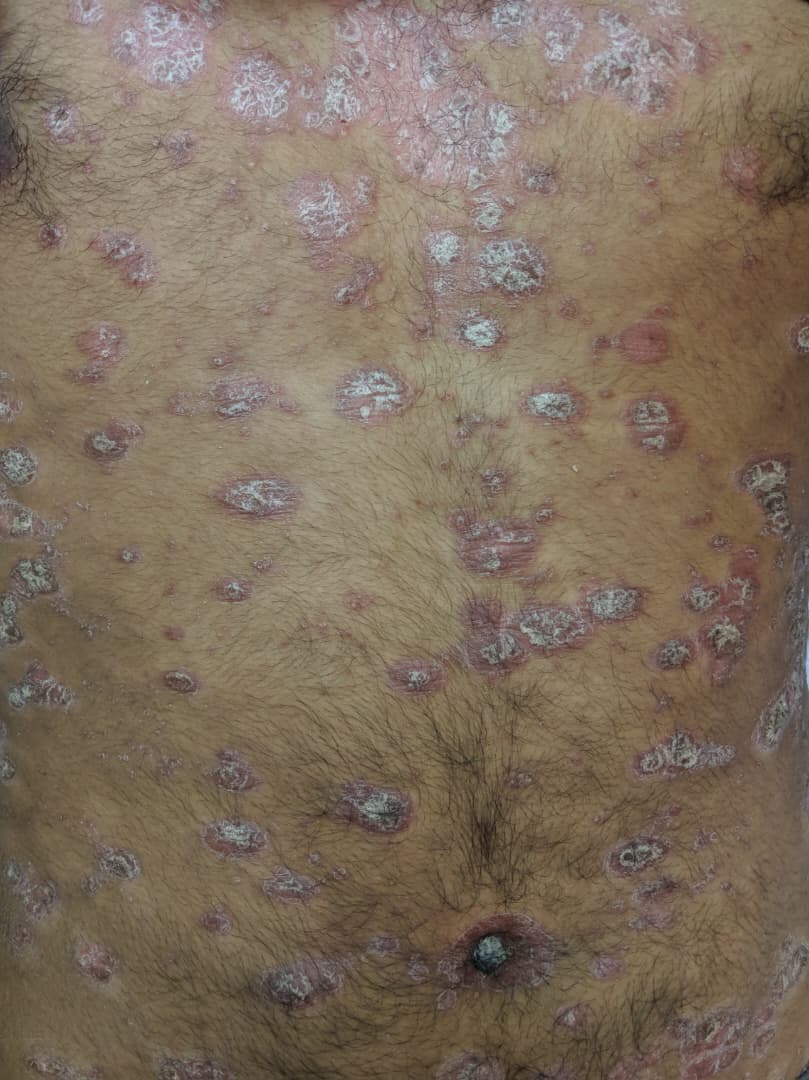
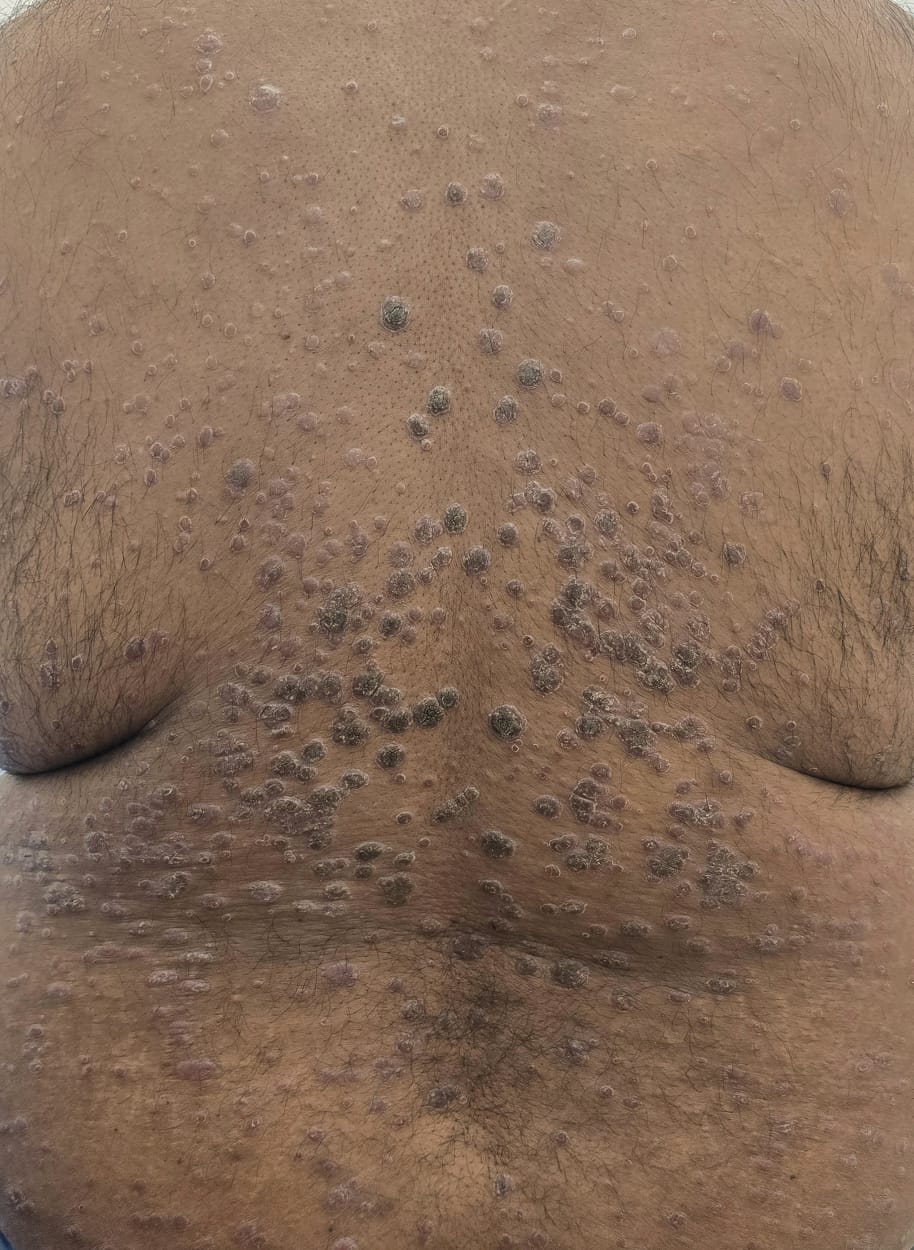
Examples of psoriasis
Photographs supplied by the clinic for educational reference. These are separate clinical examples.
What causes Psoriasis?
The exact cause still remains unclear. However, it is understood that both immune system and genetic factors are associated with the development of the disease. Most researchers agree that the immune system is somehow mistakenly triggered, which speeds up the growth cycle of skin cells among other immune reactions. Here are some triggers: Stress, Injury to skin, Medication, Weather, Allergies & Infections
Can Psoriasis occur at any age?
Yes. It can develop at any age. Psoriasis commonly appears between the ages of 15 and 35. However, in come case, approximately 10 percent to 15 percent of those with psoriasis get it before age 10. Some infants have psoriasis, although this is considered rare.
Is there a cure for Psoriasis?
No, but there are many treatments, both topical and systematic that can clear psoriasis for periods of time. Result may vary in individuals.
What treatment is suitable for me?
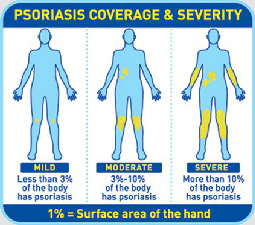
Choice of treatments is usually being prescribed according to the severity of the disease condition; mild, moderate or severe. Generally, topical treatments are given to those who have mild psoriasis. A combination of treatment strategies are usually involved in treating those moderate to severe psoriasis. Treatment options are phototherapy which involves regularly exposing the skin to light, systemic medication consisting of traditional medication and biologics. For more information on HUMIRA, please login to www.humira.com
What are the symptoms of psoriasis arthritis?
Tender swollen joints
Swollen and tender entheses (where a muscle or ligament attaches to a bone)
Back pain
Nail changes-for example, a nail that separates from the nail bed and/or becomes pitted and mimics fungal infections
Morning stiffness and tiredness
Generalized fatique
A reduced range of motion
Redness and pain of the tissue surrounding the eyes, such as conjunctivitis
How is psoriasis arthritis disgnosed?
There is no specific test for psoriasis arthritis. The diagnosis is based mostly on symptoms, examination, X-rays and the elimination of other types of arthritis. If you have psoriasis and experience persistent joint pain, you may have psoriatic arthritis and you should see a rheumatologist. These doctors specialize in arthritis and can provide further evaluation and/or a diagnosis.
What treatments are available for psoriasis arthritis?
Choice of treatments options are:
Nonsteroidal anti-inflammatory drugs (NSAIDs) include over-the-counter medications such as aspirin and ibuprofen as well as prescription products.
Disease-modifying antirheumatic drugs (DMARDs) are used to relieve more severe joint pain and stiffness and may attempt to slow joint/tissue damage and the progression of psoriatic arthritis.
Biologics such as Humira are a class of treatments that target specific components of the immune system cause the inflammation in psoriatic arthritis. It is a prescription medication used alone or with certain other medications to reduce symtoms of psoriatic arthritis, may prevent further damage to your bones and joints, and may help your ability to perform daily activities.
Is all psoriasis arthritis the same?
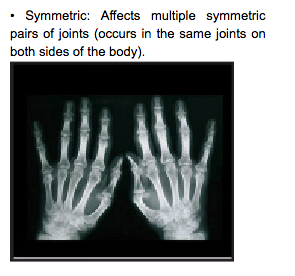
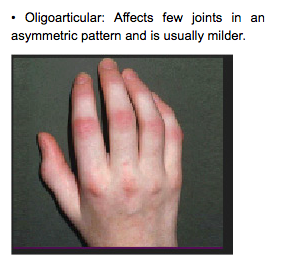
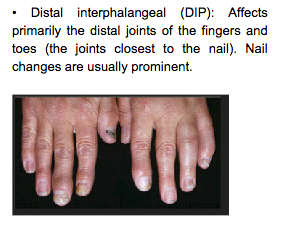
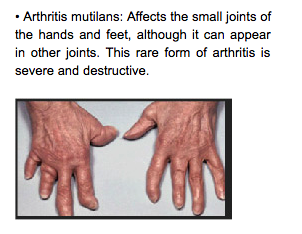
No. There are considered to be five different forms of psoriatic arthritis:
Discuss your next step
Contact our clinic to arrange a consultation and discuss your concerns.
Book an Appointment ↗